Your guide to common venous disorders, how they affect you, and the role of therapeutic compression.
1. The Venous System in a Nutshell
Veins are the “return highways” that carry de‑oxygenated blood from your limbs back to the heart. They rely on two key mechanisms:
| Mechanism | What It Does | What Happens When It Fails |
|---|
| Valves | One‑way doors that prevent back‑flow | Reflux → blood pools in the lower leg |
| Muscle Pump | Contraction of calf muscles squeezes blood upward | Inactivity → sluggish flow, increased pressure |
When either of these systems is compromised, chronic venous disease (CVD) can develop, ranging from mild swelling to painful ulcers.
2. Most Common Venous‑Related Disorders
| Disorder | Typical Signs & Symptoms | Who’s at Risk |
|---|
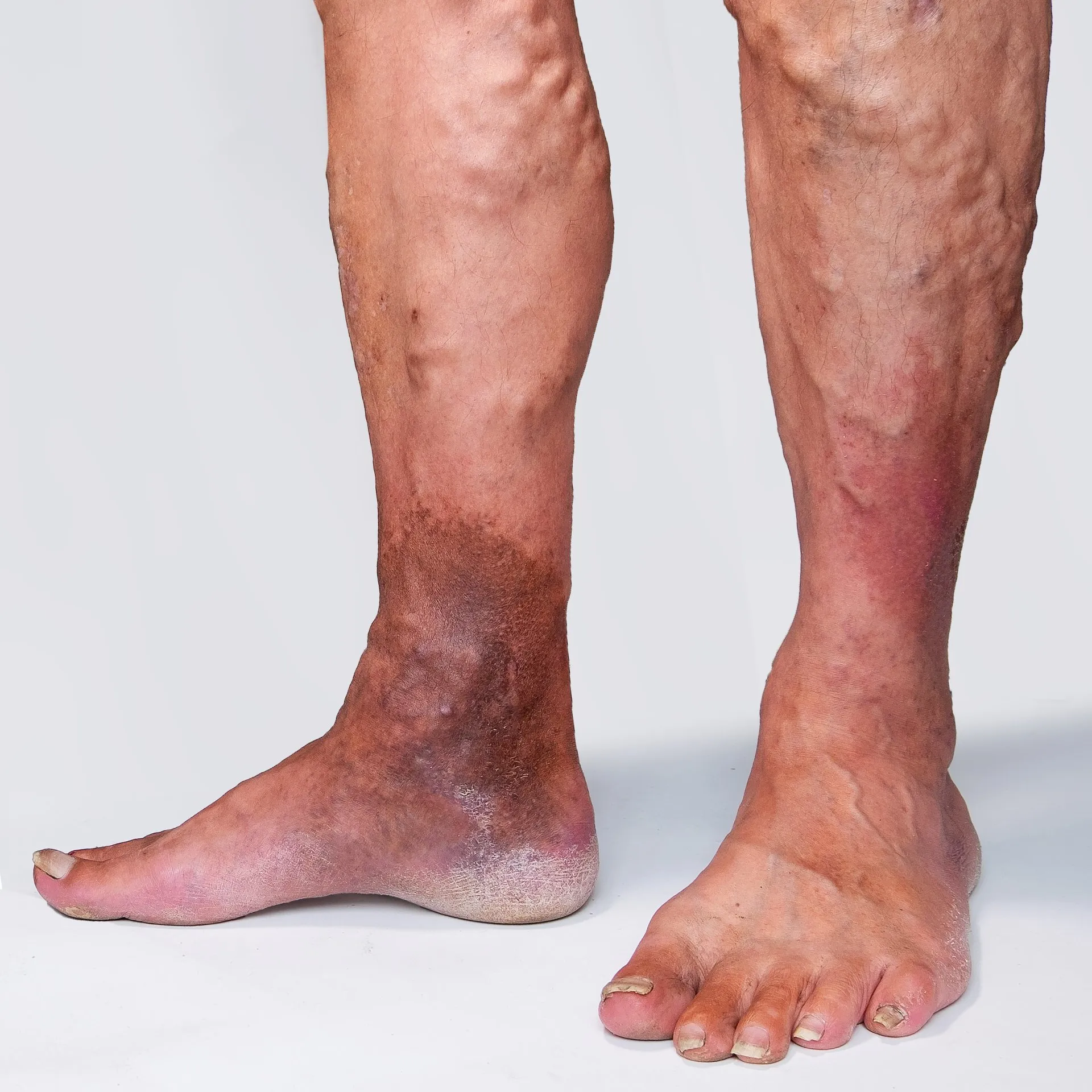
| Varicose Veins | Bulging, twisted veins; ache or heaviness | Pregnancy, genetics, prolonged standing |
| Chronic Venous Insufficiency (CVI) | Persistent swelling, skin discoloration, itching | Age >50, obesity, prior deep‑vein thrombosis (DVT) |
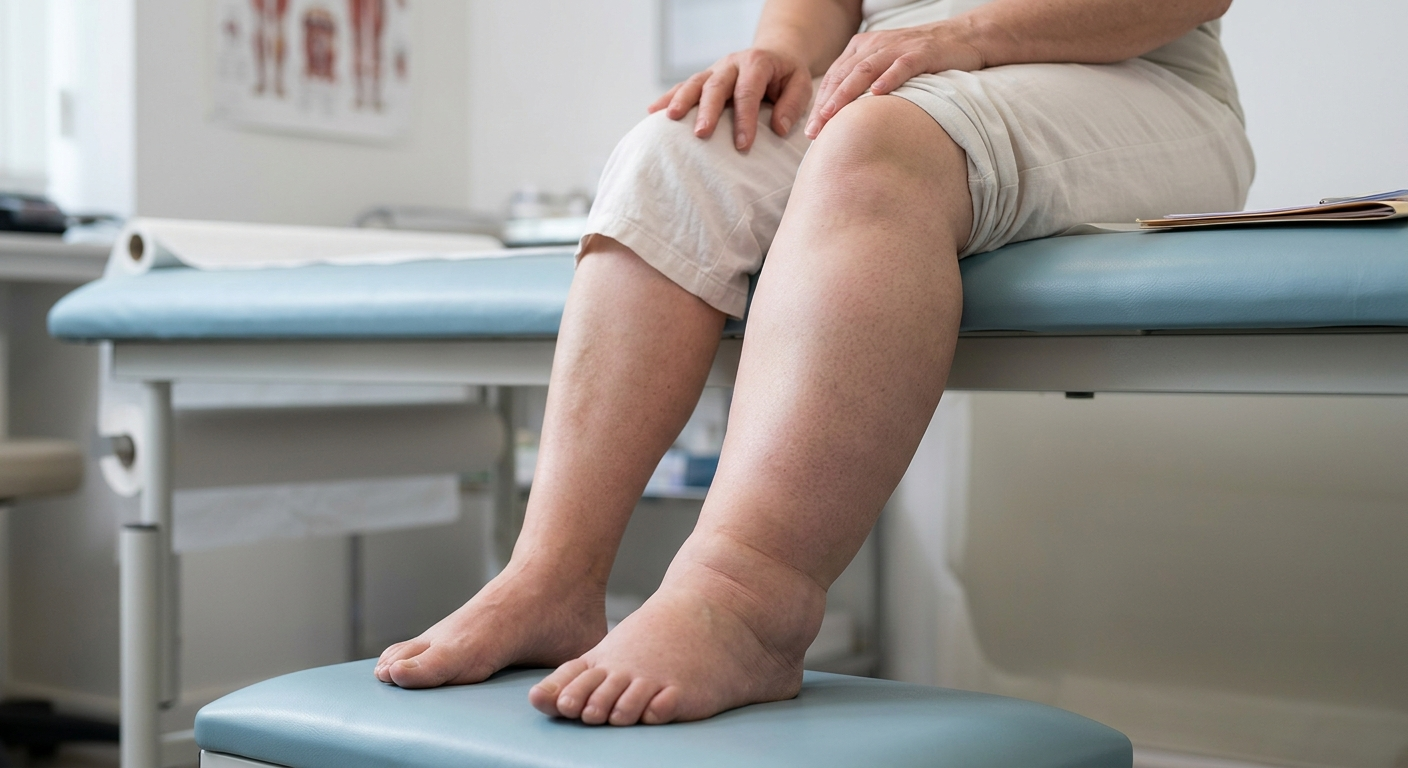
| Venous Edema | Soft, pitting swelling that worsens after the day | Sedentary jobs, low‑grade CVI |
| Deep Vein Thrombosis (DVT) | Sudden calf pain, warmth, tightness; may be silent | Recent surgery, cancer, clotting disorders |
| Post‑Thrombotic Syndrome (PTS) | Chronic pain, heaviness, ulceration after DVT | Any resolved DVT, especially if untreated |
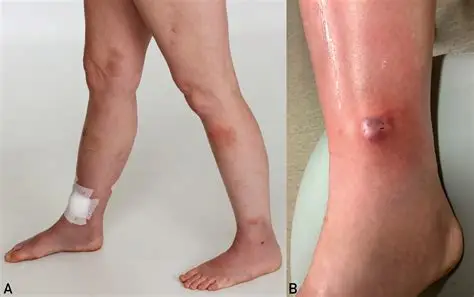
| Venous Stasis Ulcers | Painful open sores near the ankle, slow to heal | Long‑standing CVI, recurrent skin trauma |
Quick tip: If you notice persistent leg swelling, skin changes, or a new ulcer, see a vascular specialist promptly. Early intervention dramatically improves outcomes.
3. How Compression Therapy Helps
Compression wraps apply graduated pressure—higher at the ankle, gradually decreasing up the leg. This simple principle does three powerful things:
- Re‑establishes the muscle pump – external pressure pushes blood upward during each step.
- Reduces venous pressure – lower capillary pressure means less fluid leaks into surrounding tissue (less edema).
- Improves valve function – gentle, consistent pressure keeps the one‑way valves closed, limiting reflux.
Clinical studies consistently show that appropriately fitted compression reduces pain by 30‑50 %, speeds ulcer healing, and lowers the risk of recurrent DVT/PTS.
4. Recommended Pressure & Preferred Type (PDF Standards)
| Condition | Recommended Pressure | Preferred Type |
|---|
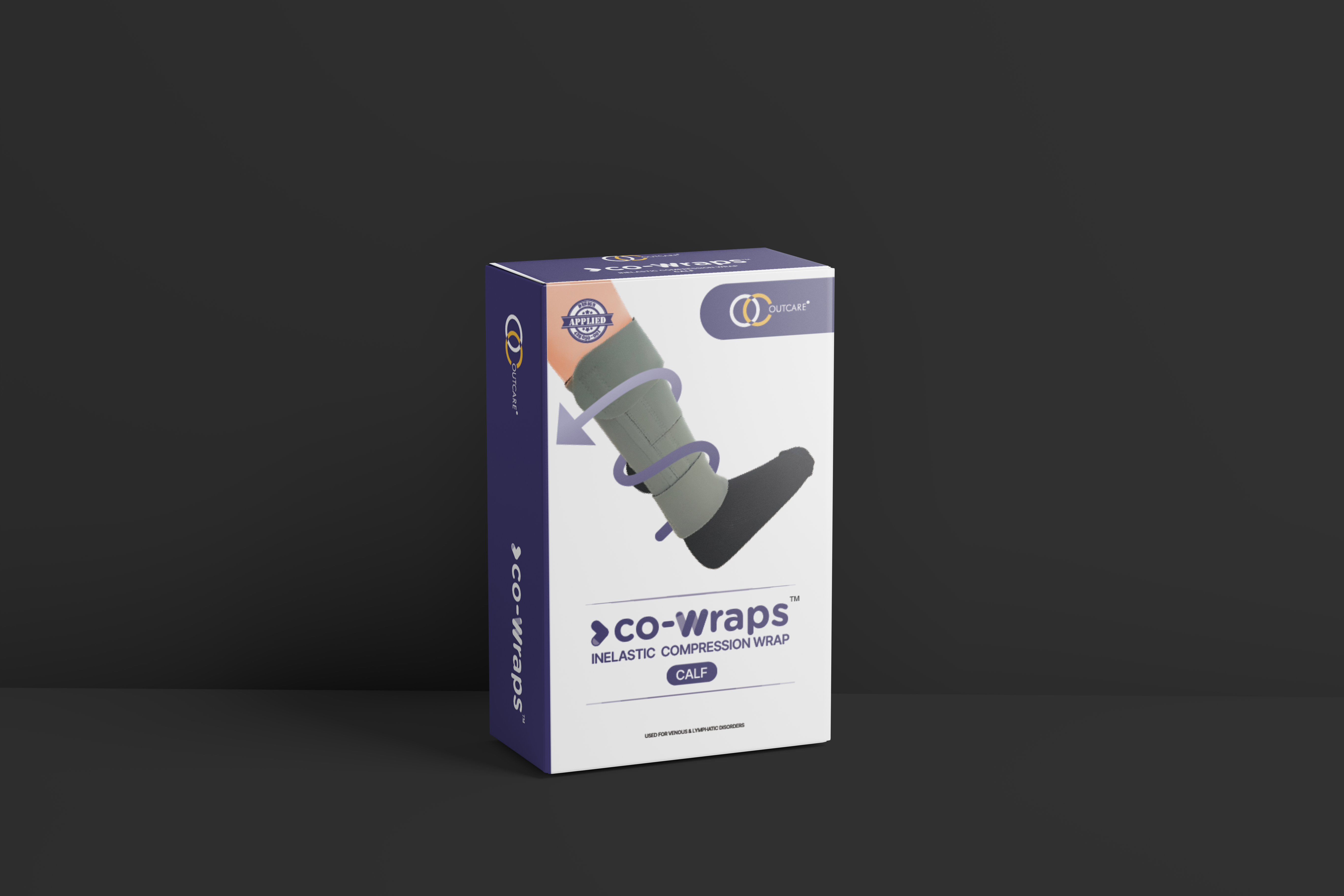
| Chronic Venous Insufficiency (CVI) | 20–40 mmHg (Mild: 20-30, Moderate-Severe: 30-40) | Inelastic (short stretch/adjustable wrap) |
| Venous Leg Ulcer | 30–40 mmHg (Strong compression) | Inelastic / Multi-layer compression |
Why this works: High working pressure during walking enhances calf muscle pump function. Inelastic systems maintain pressure as oedema reduces.
5. Getting the Most Out of Your Compression Wraps
| Step | Action | Pro Tip |
|---|
| 1. Measure correctly | Use a flexible tape: ankle, calf (mid‑point), and thigh (if full‑leg) circumference. | Measure in the morning before swelling peaks. |
| 2. Choose the right compression level | 15–20 mmHg for mild edema; 20–30 mmHg for CVI or post‑DVT. | Your clinician can confirm the ideal level. |
| 3. Apply with care | Start at the ankle, smooth upward—avoid wrinkles. | Pull the fabric snugly but not painfully; you should feel a gentle “hug.” |
| 4. Wear consistently | 6–8 h/day for mild cases; up to 12 h for chronic ulcer care. | Remove at night only if you experience numbness or skin irritation. |
| 5. Monitor skin health | Check for redness, bruising, or increased pain. | Keep a short diary; share observations with your doctor. |
6. When Compression Isn’t Recommended
| Contraindication | Reason |
|---|
| Severe arterial disease (ABI < 0.5) | External pressure can further restrict arterial flow. |
| Active infection or open wound not covered by a specialist | Compression may trap bacteria. |
| Severe edema with sudden onset | Could signal DVT—needs urgent evaluation first. |
| Sensory loss (e.g., diabetic neuropathy) | The patient may not feel excessive pressure. |
Always consult your healthcare provider before starting any compression regimen.
7. Frequently Asked Questions
Yes—our breathable fabric tolerates sweat. For high‑impact sports, choose the “active‑fit” version (lighter knit) and re‑measure after the session.
Typically every 6–12 months, depending on wear frequency and laundering. Look for loss of elasticity or visible fabric wear.
Absolutely—provided you stay within the 15–20 mmHg range and your obstetrician approves.
It can slow progression by improving venous return, especially when combined with leg elevation and regular movement.
8. Your Next Step: Register & Unlock Full Benefits
9. About Us
At Outcare Medical Devices, we’ve spent over a decade engineering evidence‑based compression technology for patients, clinicians, and active‑lifestyle users. Our R&D team collaborates with vascular surgeons, physiotherapists, and textile engineers to ensure every wrap delivers therapeutic pressure and comfort.
Our mission: Empower you to live pain‑free, mobile, and confident—one leg at a time.
Feel the difference. Register today, and step into healthier legs tomorrow.
Our Recommended Solution for You
For Venous Stasis Ulcers, we recommend our Hi-Grip VC – strong 20-30 mmHg inelastic compression system.